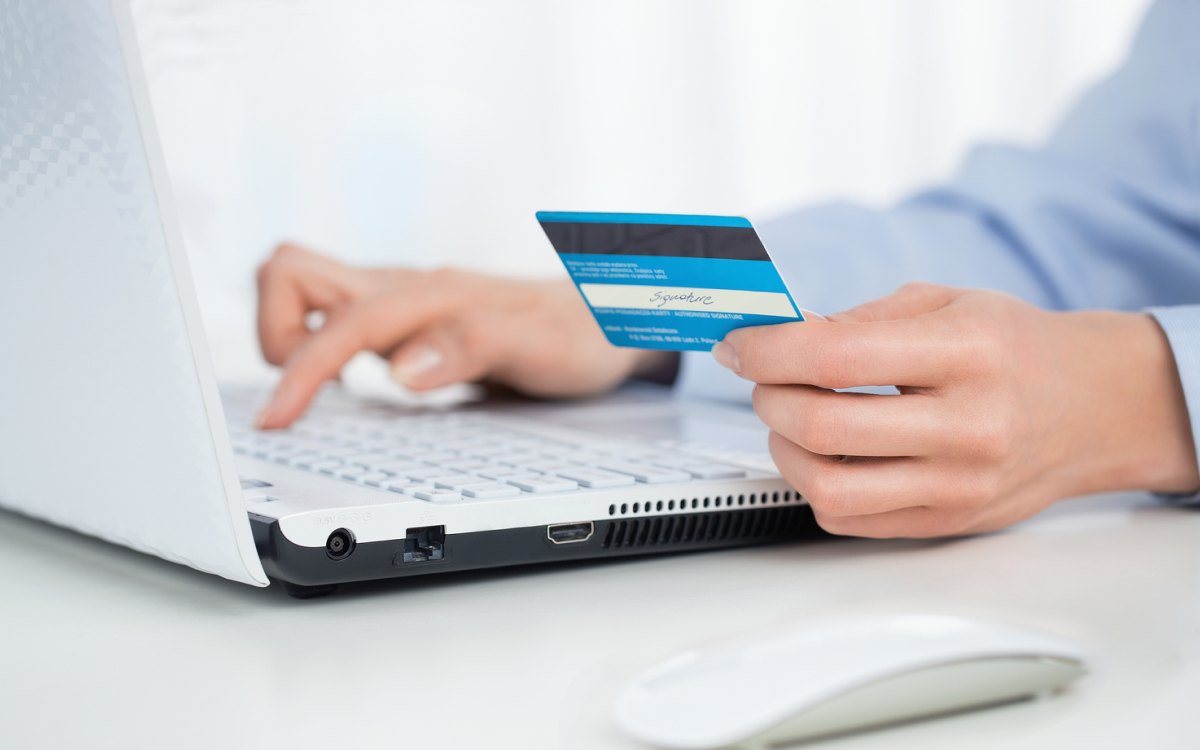
Debit cards are quick and easy to use; just a swipe of the card and a transaction is done within seconds. There is no need to write checks and head to the bank to deposit them. But as convenient as a debit card might be, it can cost more than a pretty penny if not used correctly. To ensure one doesn’t lose their money, here are some common mistakes to avoid while using debit cards.
Forgetting to Keep an Eye on the Balance
Most debit cards are directly connected to one’s bank account. Unlike credit cards that do not deduct any money from one’s account for every transaction, debit cards do. This is quite different from credit cards, where the monthly bills are paid all at once, and there are limits to the transactions that can be done. Since there are no bills to be paid for debit cards, the limits on the transaction are as much money one has in their account. Many people end up forgetting to check their account balance after every transaction. To avoid this mistake, always keep a close eye on the account balance while swiping the debit card during every transaction.
Writing the PIN on the Debit Card or Carrying it in the Wallet
This may seem quite an obvious mistake, but it is surprising how common it is. Sometimes, people end up writing the PIN on the card itself. Or they note it down on paper and carry it in their wallet. The idea behind doing this is to avoid forgetting the PIN. While one may always have the PIN in hand whenever they need, it will also be accessible to others. In case the card gets stolen or is found by someone else, they will easily have access to the bank account through the PIN. They can quickly siphon off all the money in the account.
Overusing Out-Of-Network ATMs
A great convenience that comes with debit cards is that they can be used in ATMs. But one needs to be careful while taking advantage of this convenience because there is always the risk of paying unnecessary ATM charges. This happens when one uses their debit cards too many times, especially at out-of-network ATMs. These are ATMS that do not come under the network of the bank that has issued the debit card. While some banks allow using out-of-network machines for a limited time, others will charge extra fees every time one uses another bank’s ATM. So, always be aware of which ATMs are in the network.
Making Big-Ticket Purchases Using Debit Cards
Most of the time, one can file return claims for money paid by credit cards. This usually works like protection when one has to return items that have been purchased using the card. This way, one gets back their money immediately. However, this security feature is not usually offered on debit cards. This is why it is always advisable to avoid using debit cards to buy big-ticket items that one may want to return later. Even if the item is returned, one may not get their money refunded right away. Besides, an expensive purchase with a debit card means a lot of money will be deducted from one’s account in one go. This will create problems later on when one has to pay other bills and manage daily expenses.
Forgetting to Keep Track of Autopay Transactions
Often, people set up automatic payment instructions on their debit cards. This usually makes things easier when one has to pay phone bills or other monthly utility bills. There is no need to set reminders since the money for the bill is deducted automatically on the date specified by the debit card holder. However, this can quickly backfire if one forgets to keep track of all the auto payments that have been set up. When there are too many auto payment transactions set up, money will dwindle from the account and the balance will inevitably go into negative. This can even result in the account being closed by the bank.
Not Checking for Debit Card Fees and Hidden Charges
Sometimes, banks charge annual fees for using debit cards. Also, some banks may levy penalties if the card has not been used for a specific number of times in the year. These terms and conditions are often mentioned in the documents but are usually in fine print. Thus, it is quite easy to miss out on reading them while signing up for the card. To avoid this mistake, make sure to go through the documentation carefully before applying for the card. Always be aware of any hidden and extra charges to not get caught off guard later when money gets deducted from the account.
Using Multiple Debit Cards
It may seem like a good idea to use multiple debit cards from different banks to take advantage of various offers and deals. But, managing so many cards and bank accounts can be challenging. For starters, it can quickly get difficult to maintain the minimum balance in each account. Also, one may end up forgetting the various fees, charges, and terms and conditions associated with each card. This can lead to spending too much, risking negative balance.